
Co-designing the Future of Packaging
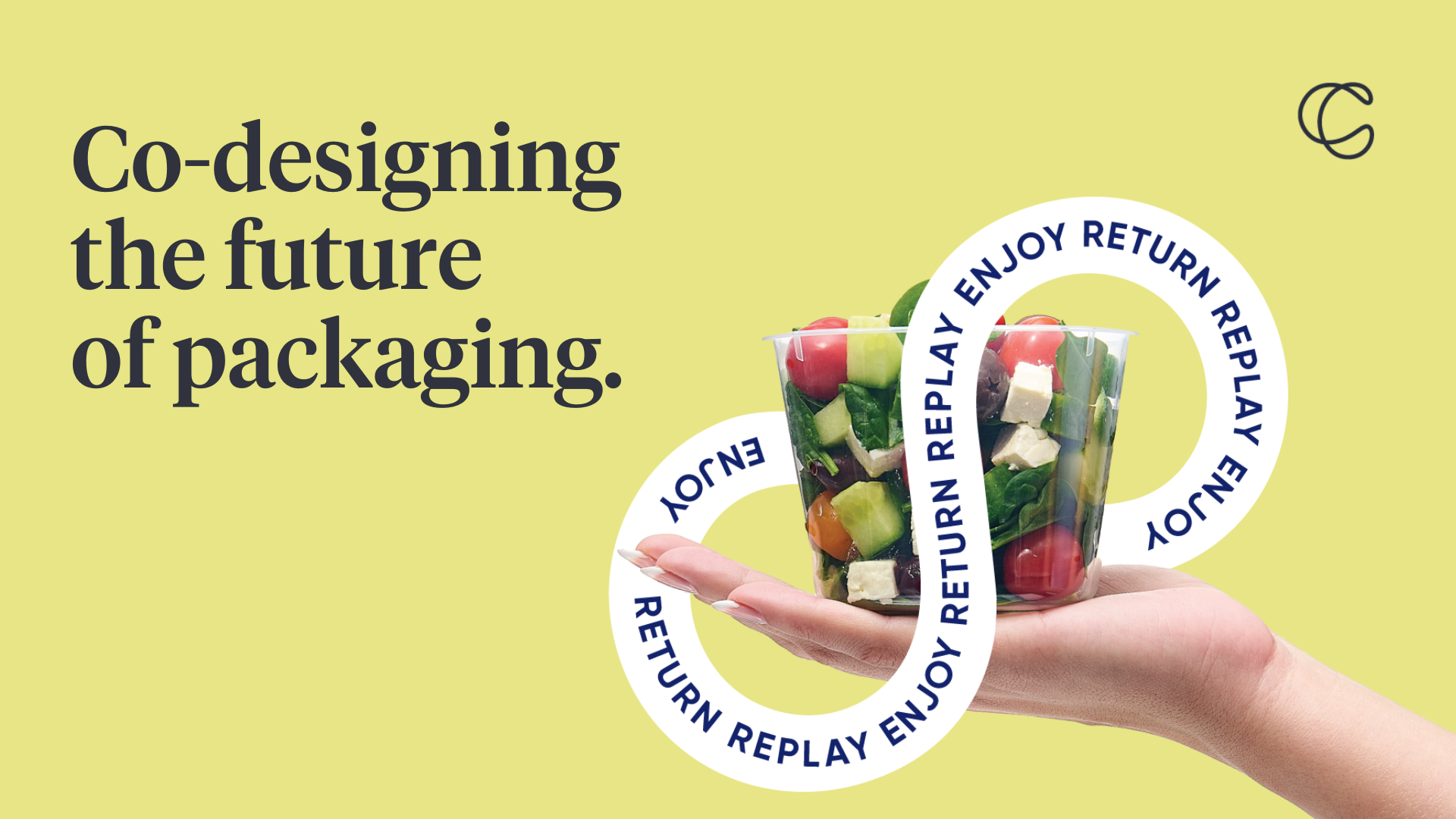
Three years ago this month, we began working with Bonson to design a returnable packaging system that could meet the needs of people looking for an alternative to single-use packaging at the supermarket.
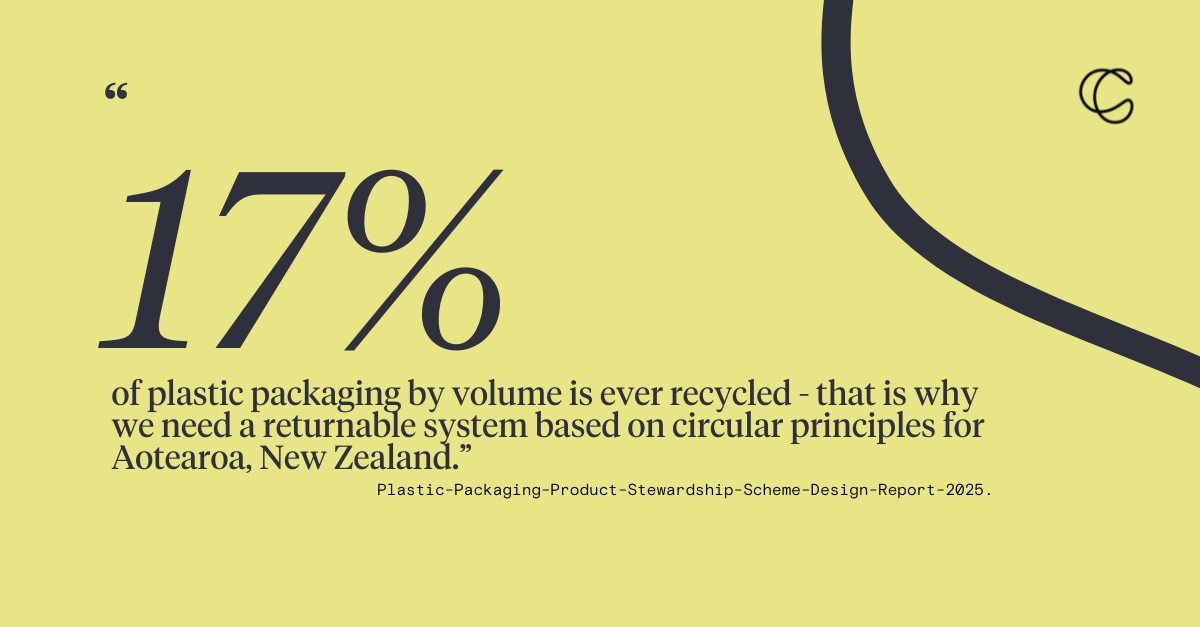
With less than 17% of plastic packaging recycled at kerbside in New Zealand, there’s no denying the need for change. But many stop short of making the commitment, design, and partnerships required to turn good intentions into a viable commercial solution with real environmental impact.
So, it was great to finally see the very first customers tap to borrow a RePlay returnable container in the delis of Birkenhead and Willis Street New World, and then—after use—return them to the smart bins within four weeks so that the service was essentially free to use.
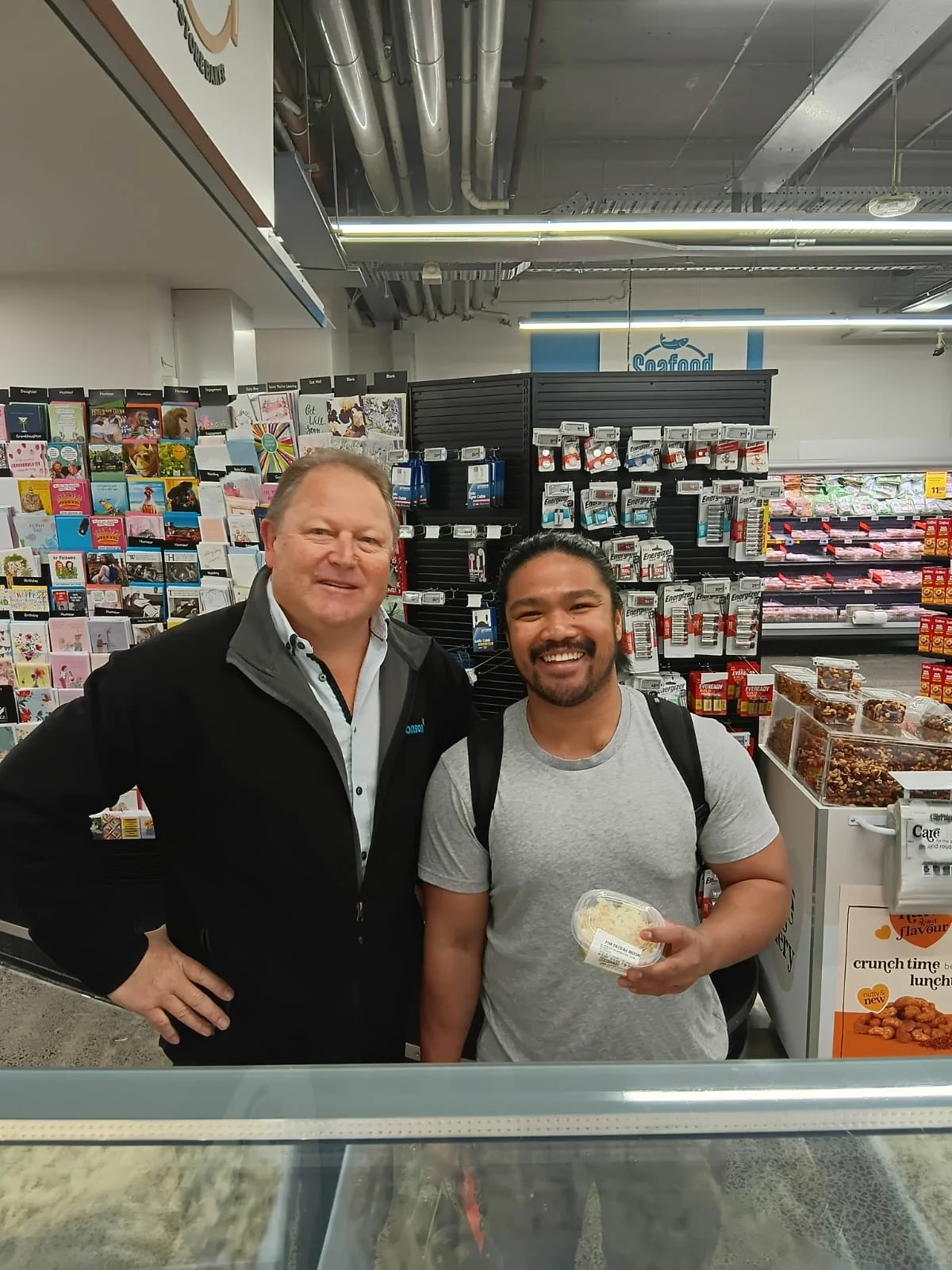
RePlay’s first customer at Willis Street New World, Wellington with Rodney Bennett, General Manager of Bonson.
There is no deposit. No app. No fee.
This is part of a two-year trial to learn how to improve the RePlay system in supermarkets, thanks to a partnership with Foodstuffs and co-funding from the Ministry for the Environment’s Plastic Innovation Fund, which was established to de-risk business investment and accelerate a circular economy for plastics in Aotearoa New Zealand.
For Circularity, Bonson has been a dream client—curious, committed, and undeterred by the hundreds of daily challenges we had to overcome to bring RePlay to market.
Our journey followed Circularity’s design-led blueprint for activating circular economy principles across systems. Developed during my Master’s in Technological Futures, it’s now our proven impact business model—with over 168 clients applying it successfully—validated through our B Corp certification.
There are shortcuts to “going circular,” but they don’t deliver lasting results.
Our Design Blueprint for Making Circularity Work: RePlay in Action
1. Set the collective vision.
From the very beginning, we aligned everyone—Bonson, Foodstuffs, and all our delivery partners—around a shared vision and the problem we were trying to solve. We brought stakeholders together to unpack the aspiration and why it mattered now, surfacing all the questions, concerns, and deal breakers early so no one was second-guessing once the project was in flow. We created a powerful “How might we…” statement that captured the scale of the challenge, giving everyone—from store managers to tech partners—a clear and consistent way to describe the problem we were solving together.
2. Build the capability.
We learned early that designing a circular system requires working across organisations, partners, and the wider system—many of whom had never heard of the circular economy or how to co-design, test, and fail fast. So, we onboarded them into our XLabs online circular economy course to give everyone a shared foundation.
3. Co-design the solution.
For RePlay, this meant two years of co-design alongside deli customers, Foodstuffs, Blender, Wedderburn, Again Again, Anew, New World store managers, and label manufacturers. We redesigned almost every aspect—packaging, supplier agreements, labelling, weighing, and even packaging business models. Because circularity isn’t just about designing a product; it’s about designing a new business model—in this case, packaging as a service.
We asked: How can we make a feasible returnable packaging service work at the cost of single-use?
At times, it felt like treading water, but opening every meeting with clear objectives—and listening deeply to those who were going to be using the system—was invaluable. This process builds trust and optimises design long before launch.
4. Communicate the impact.
Communication is everything. For RePlay, we had to be ruthless with our messaging as we built the system. With One Day Video, we crafted a simple, clear explainer video that showed how RePlay worked and why it existed.
We rewrote the point-of-sale material more than a dozen times as the tech evolved. I developed and delivered deli staff training alongside Bonson and store owners, and throughout all the changes, I maintained a Master Brand Guidelines document to keep us true to our core message.
That’s how we got to market—with real customers trying RePlay, when they could have easily kept using single-use.

If this works, we’ll be on track to significantly reduce the amount of virgin plastic in circulation—something the Global Plastics Treaty aimed for but has struggled to achieve—and to keep packaging in use without the emissions of recycling.
So, if you’ve made it this far, I have a request:
If you live in Auckland or Wellington, head to Birkenhead or Willis Street New World and give RePlay a try.
If you’re curious about how it all works, message me—I’ll happily run a study tour at the Birkenhead store for anyone who wants to know more.
And if you’re looking for a circular solution and want a partner to make it real, get in touch. I’d be happy to help.
Let’s make circularity work.
Media Coverage here.